Case Study Of Diabetic Leg Ulcer
Aim of Therapy:
Treatment of Ulcer and Preventing of Their Recurrences in the Diabetic Leg Using NPWT
Patient Information:
| First Dressing Application Date: | 19/10/2022 |
| Dressing Remove Date: | 05/11/2022 |
| Patient Name: | Ms. Veena Mehta |
| Patient Age: | 39-Year-Old |
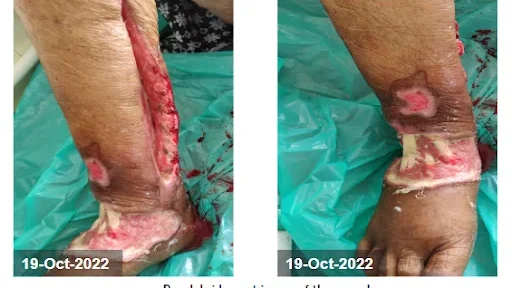
| Wound Type: | Traumatic and Diabetic Ulcer |
| Exudates Type with Wound Depth: | Purulent and Serosanguinous (3-5cm Deep Approx) |
| Hospital Name: | Nair Hospital ( Mumbai ) |
| Doctor Name: | Dr. Anish |
| Doctor Specialty: | General Surgeon |
| Clinical Person Name: | Mr. Vikas Tupat |
| Patient Profile: | Stage II Diabetic Patient |
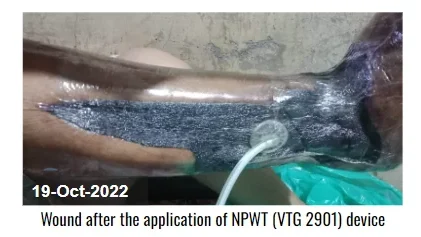
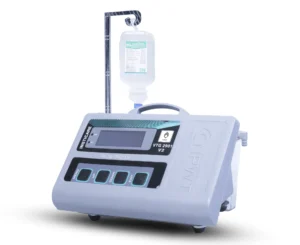
| Dressing Type/Device: | CCNPWT (VTG-2901) |
| Pressure Range: | -125mmHg |
| Any Major Illness During Therapy: | Severe Pain |
| Diabetic / Non -Diabetic | Diabetic |
| Supportive Ongoing Treatment | Antibiotic, Painkiller |
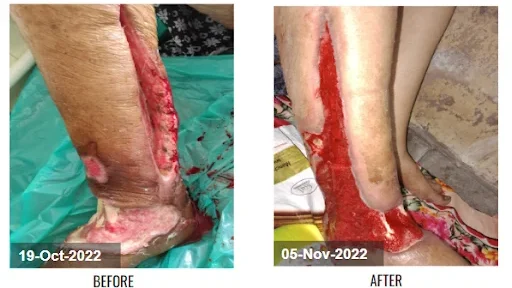
| Total Days of Recovery or Treatment Duration | 17 Days (3 Dressing Change) |
| Wound Location | Lower Leg Area (Lower Extremity) |
Clinical Scenario:
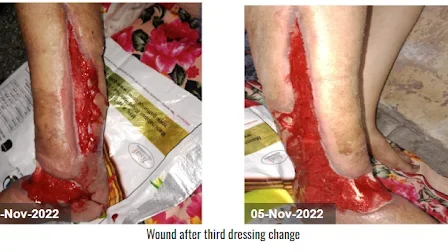
A 39-year-old stage II diabetic female presented with a non-healing wound over the right leg for 3 years. Four years back, she was involved in an accident in which her right leg ( Gastrocnemius to Achilles tendon ) and forefoot area were injured. Her wound was not healing and was spreading. Since then, the chronic non-healing ulcer has been managed by debridement and regular dressing without much improvement. After the ulcer had been examined, the doctor observed that the ulcer was foul-smelling and had purulent leakage. She experienced severe discomfort from the gastrocnemius rupture, was unable to walk, and had swelling in the leg. After the assessment, the doctor suggested CCNPWT (VTG 2901) for quicker healing of the lesion.
Management:
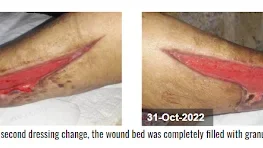
Following wound disinfection, the CCNPWT (VTG 2901) was started at a static pressure range of -125 mmHg. For 17 days, three dressings were changed. Therapy decreased chronic edema, enhanced local blood flow to the wound area, and effectively removed exudate from the wound site.
CCNPWT stimulates the angiogenesis and granulation tissue by providing a continuous bio-mechanical stimulus for tissue growth.