
Case Study Dehiscence Abdominal Open Wound
Aim of Therapy:
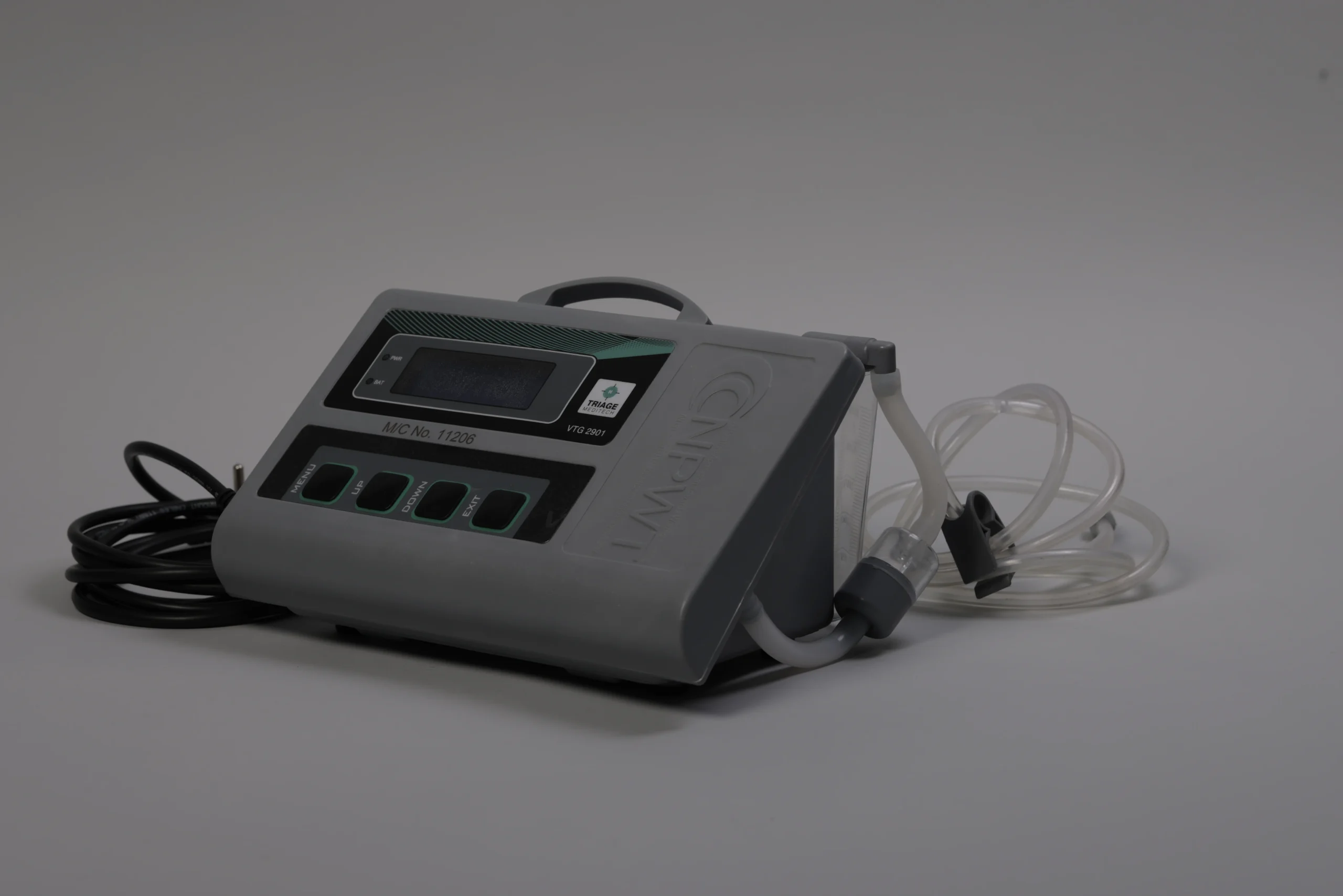
Management of Dehiscence Abdominal Open Wound by Using CCNPWT (VTG-2901)
Patient Information:
| First Dressing Application Date: | 05/11/2022 |
| Dressing Remove Date: | 17/11/2022 |
| Patient Name: | Mr. Jagadesh Kumar |
| Patient Age: | 28-Year-Old |
| Wound Type: | Umbilical Hernia |
| Exudates Type with Wound Depth: | Haemoserous Fluid (10.5CmX1.5Cm Deep Approx ) |
| Hospital Name: | Apollo Kh Hospital ( Chennai ) |
| Doctor Name: | Dr. Jayaprakash |
| Doctor Specialty: | General Surgeon |
| Clinical Person Name: | Mr. Tamil Selvan R |
| Patient Profile: | Surgical Wound and Abdominal Pain |
| Dressing Type/Device: | CCNPWT (VTG-2901) |
| Pressure Range: | -60 mmHg |
| Any Major Illness During Therapy: | No |
| Diabetic / Non -Diabetic | Non-Diabetic |
| Supportive Ongoing Treatment | Antibiotic, Painkiller |
| Total Days of Recovery or Treatment Duration | 13 Days |
| Wound Location | Below Umbilical Region |
Clinical Scenario:
A 28-year-old male presented to the hospital with a non-healing open wound on the lower umbilical surface. The patient presented with complaints of extreme pain in his left abdomen for the past 2 years, and he underwent laparoscopic hernia surgery. After they noticed that a boil had developed on the left side of the lower abdomen, it was pea-sized at the beginning, which gradually increased in size. In the last 2 years, the patient developed an umbilical ulcer, draining a high amount of exudate and causing trauma to the patient. After the wound evaluation, the doctor recommended CCNPWT (VTG-2901) therapy to stimulate rapid wound healing and preparation of the wound bed for primary closure and to enhance the development of the granulation tissue.
Management:
Before starting CCNPWT (VTG-2901), all precautions were taken. Multiple debridement sessions were performed. Debridement was conducted before initiation of therapy, after that CCNPWT (VTG 2901) therapy was started with static pressure at 60mmHg for 13 days. There was ongoing supportive treatment for the prevention of other infections. After the initial dressing change, the wound started to populate with 50% granulation tissue formation, reduced slough, and wound size. After the final dressing change, the wound bed was sufficiently populated with heavily granulated tissue and underwent a further closure procedure.


