
Your heart opens and closes its aortic valve roughly 100,000 times every day. When that valve narrows or leaks, the heart works harder, and eventually the body notices. For many people, aortic valve replacement is not just a procedure; it is a return to climbing stairs, playing with grandchildren, and sleeping through the night.
Why the Aortic Valve Fails
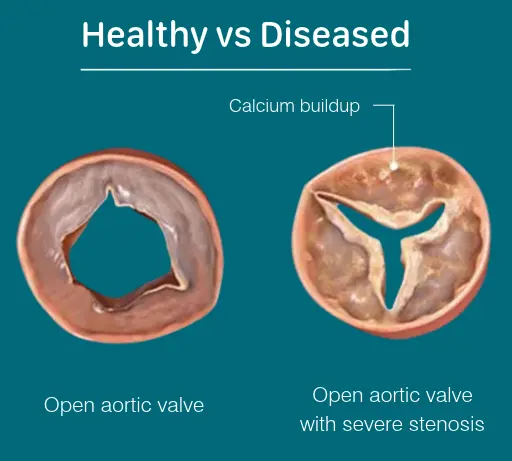
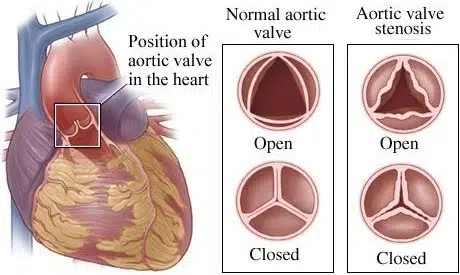
The most common problem is aortic stenosis, where the valve becomes stiff and calcified with age, restricting blood flow out of the heart. Others are born with a bicuspid valve (two flaps instead of three) that wears out earlier. Less often, infection or rheumatic disease is the cause. Early on, symptoms are easy to dismiss as ageing. Watch for:
- Breathlessness during activities you once handled easily
- Chest tightness or pressure with exertion
- Dizziness or fainting, especially when standing or exercising
- Unusual fatigue and reduced stamina
Once severe stenosis causes symptoms, medicines cannot fix the valve itself. Replacement is the treatment that changes the outlook, which is why timely evaluation matters.
TAVR vs SAVR: Two Main Routes to a New Valve
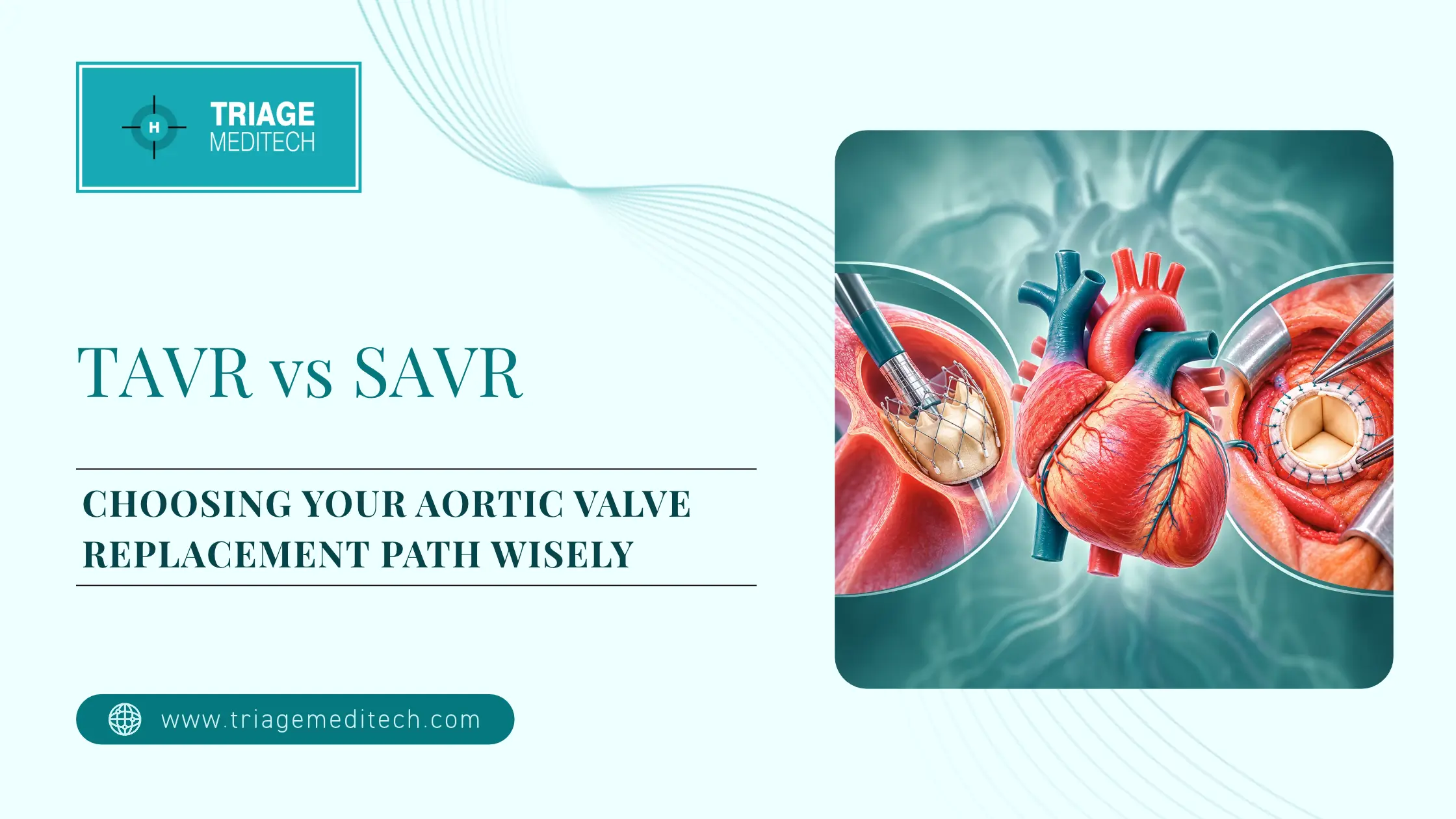
Surgical aortic valve replacement (SAVR) is the long-established option. Through an incision in the chest, the surgeon removes the diseased valve and sews a new one in place while the heart is temporarily supported by a bypass machine. Its strengths are a long track record and the ability to treat other problems, such as blocked coronary arteries, in the same operation.
Transcatheter aortic valve replacement (TAVR) is a less invasive alternative. A folded valve is guided through a catheter, usually from an artery in the groin, and expanded inside the old valve. There is no large chest incision and no heart-lung machine. TAVR began as an option for patients too frail for surgery, and clinical trials have since extended it to many patients at lower surgical risk.
Which Is Better? It Depends on You
There is no universal winner. Current guidelines generally lean toward TAVR for older patients, lean toward surgery for younger ones, and encourage a shared decision in between. A heart team, usually a cardiologist, a cardiac surgeon, and an imaging specialist, weighs several factors:
- Age and life expectancy: a younger patient may need a valve that lasts decades.
- Anatomy: valve shape, calcium burden, and the size of the leg arteries influence TAVR suitability.
- Other conditions: coronary disease or other valve problems may favor surgery.
- Frailty and overall health: a gentler procedure may suit those who tolerate surgery poorly.
- Personal priorities: recovery speed, long-term durability, and your own preferences count.
Choosing the Valve Itself
Mechanical valves are very durable but require lifelong blood-thinning medication, and they need careful monitoring. Tissue (bioprosthetic) valves, made from animal tissue, usually avoid long-term blood thinners but tend to wear out over time, often after ten to fifteen years or more, and may need a repeat procedure. Planning for a possible second intervention is now a normal part of the discussion, particularly for younger patients.
Recovery: What to Expect
After TAVR, many patients stay in hospital for only a day or two and return to normal routines within a few weeks. Surgery typically involves a longer stay and recovery measured in weeks to a couple of months while the breastbone heals. In both cases, cardiac rehabilitation, gradual walking, and regular follow-up with echocardiograms help protect the result.
Every option carries risks. Surgery involves the usual risks of major operations, including bleeding, infection, and rhythm problems. TAVR can lead to a need for a pacemaker, leakage around the valve, or vascular complications at the access site. Your team can explain how these risks apply to your own situation.
The Bottom Line
Aortic valve replacement has never been safer or more personalised. The best choice is the one matched to your age, anatomy, health, and goals, made together with an experienced heart team. If you notice breathlessness, chest discomfort, or fainting, do not wait. An early conversation and a simple echocardiogram can open the door to treatment that gives you years of active living back.
Frequently Asked Questions
Q. What is the difference between TAVR and surgical aortic valve replacement (SAVR)?
Ans: TAVR is a minimally invasive procedure in which a new valve is delivered through a catheter, usually through an artery in the groin. SAVR is an open-heart surgical procedure in which the damaged valve is removed and replaced through an incision in the chest.
Q. Who is eligible for TAVR instead of traditional heart surgery?
Ans: TAVR may be suitable for older patients, individuals with increased surgical risk, and many patients with lower surgical risk. The decision depends on age, anatomy, overall health, life expectancy, and evaluation by a specialised heart team.
Q. How long does an artificial aortic valve last?
Ans: Mechanical valves are highly durable and can last for decades but require lifelong blood-thinning medication. Tissue valves generally last around 10–15 years or longer, although their durability varies between patients and may require another intervention.
Q. How long does recovery take after TAVR or surgical valve replacement?
Ans: Many patients undergoing TAVR stay in the hospital for one or two days and resume normal activities within a few weeks. Surgical valve replacement generally requires a longer hospital stay, with recovery taking several weeks to a couple of months.
Q. What are the warning signs that indicate a need for aortic valve evaluation?
Ans: Common warning signs include breathlessness during physical activity, chest discomfort, dizziness, fainting, unusual fatigue, and reduced exercise tolerance. These symptoms should be evaluated by a healthcare professional, who may recommend an echocardiogram.