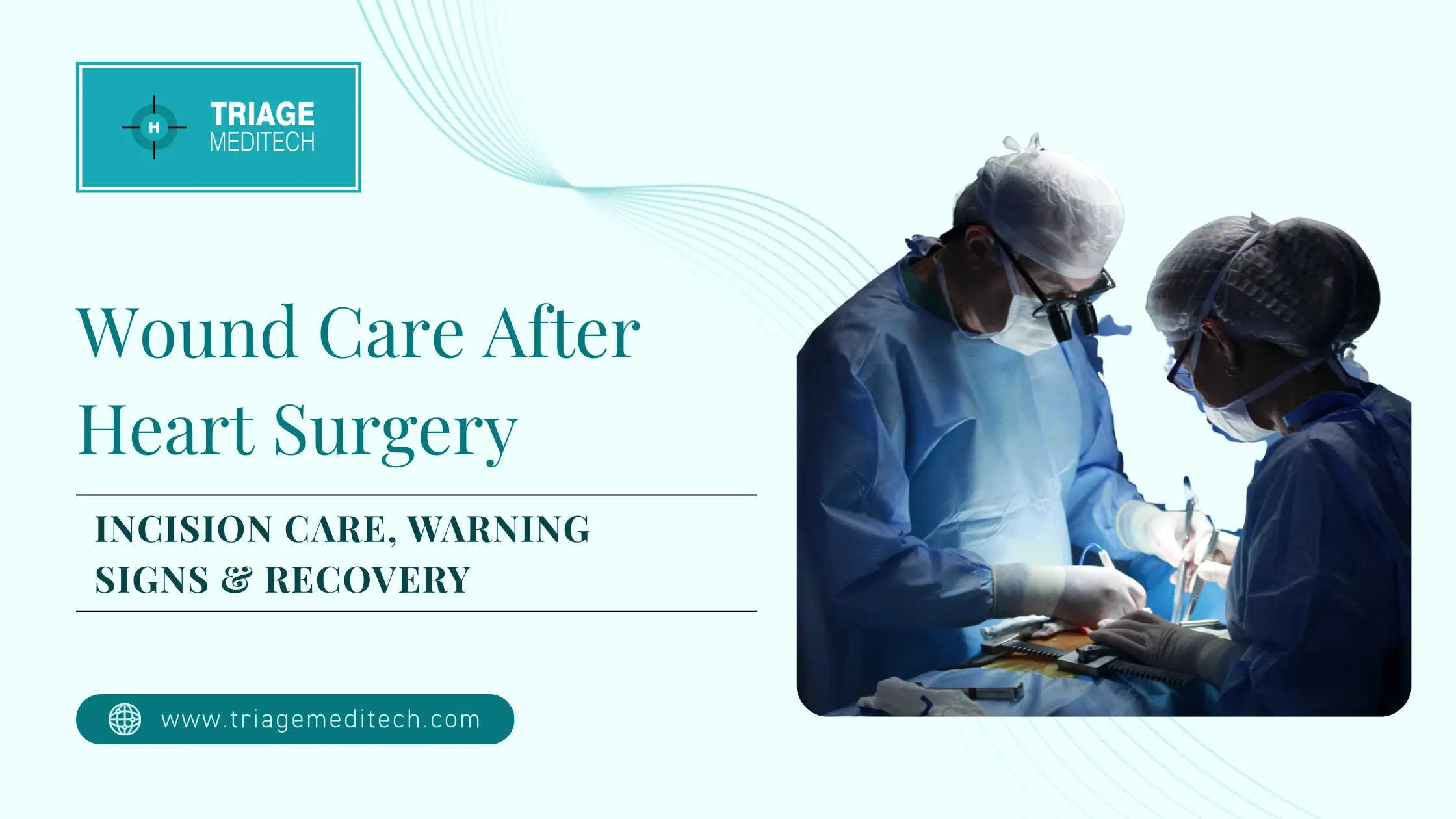
Completing heart surgery is an important milestone, but the healing process continues after the patient leaves the operating room. Proper care of the surgical incision, regular observation, appropriate activity, and timely communication with the healthcare team all play an important role in recovery. For patients undergoing procedures such as coronary artery bypass grafting (CABG), heart valve repair or replacement, and other cardiac surgeries, appropriate postoperative care is essential.
Among the many aspects of recovery, surgical wound care deserves particular attention. The incision needs time to heal, and patients and caregivers need to understand how to monitor the wound, recognize concerning changes, follow activity restrictions, and communicate promptly with the healthcare team.
With advances in wound-care technology, healthcare professionals also have access to specialized approaches that can support the management of selected postoperative wounds.
Why Important Wound Care After Heart Surgery
Many cardiac procedures involve an incision through the chest, commonly through the sternum during open-heart surgery. The body begins a natural healing process immediately after heart surgery, but complete recovery takes time and varies from patient to patient.
According to the American Heart Association, recovery after heart surgery is individual and depends on the type of procedure, the patient’s health before surgery, and whether complications occur. Patients are generally advised to follow their wound-care instructions, take prescribed medicines, and gradually increase activity according to their healthcare team’s recommendations.
Understanding the Surgical Incision
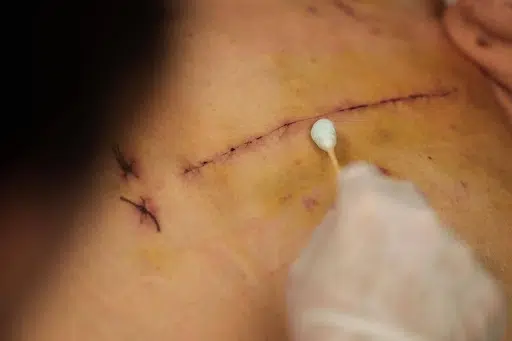
After surgery, the incision may initially appear different from normal skin. Some tenderness, mild swelling, or changes in color can occur during the healing process.
Patients should follow the specific instructions provided by their surgeon or healthcare team.
These instructions may cover:
- Keeping the incision clean and protected
- Bathing and showering instructions
- Dressing management
- Activity and lifting restrictions
- Medication use
- Follow-up appointments
- When to report changes in the wound
Patients should not independently apply creams, powders, antiseptics, or other products to the surgical site unless specifically recommended by their healthcare professional.
The goal is to protect the healing tissue while allowing the clinical team to identify problems early.
Monitoring the Wound During Recovery
Regular observation of the surgical site is an important part of postoperative care.
Patients and caregivers should pay attention to changes such as increasing redness, swelling, pain, drainage, or separation of the wound edges. A small tender area around an incision may occur during normal healing, but increasing redness, swelling, or pain should be reported to the healthcare team.
The American Heart Association specifically advises patients recovering at home to follow their wound-care instructions and contact their healthcare professional if they notice increased swelling, redness, or pain around the incision.
Recognizing Potential Wound Complications
Not every change in a surgical wound indicates a complication, but unexpected or worsening changes should not be ignored.
Patients should contact their healthcare team if they experience:
- Increasing redness around the incision
- Increasing swelling or warmth
- New or worsening drainage
- Pus-like discharge or an unusual odor
- Increasing or severe pain
- Separation of the wound edges
- Fever or chills
- A significant change in the appearance of the incision
Early communication with the healthcare team can help determine whether further assessment or treatment is required.
It is important that patients do not attempt to diagnose or treat a suspected wound infection themselves. Clinical assessment should guide further management.
Activity and Movement During Recovery
Recovery after heart surgery involves a careful balance between rest and gradual physical activity.
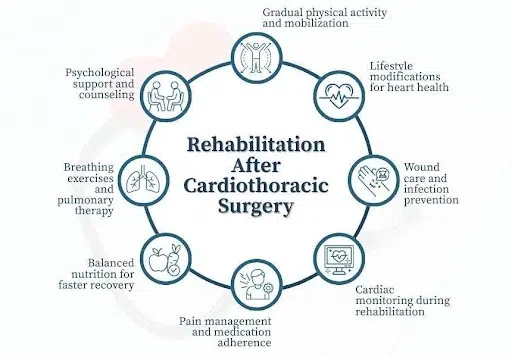
Patients are generally encouraged to increase their activity progressively according to their medical team’s instructions. Short walks and appropriate movement can become part of the recovery process, while excessive exertion may need to be avoided during the early healing period.
For patients recovering from open-heart surgery, restrictions on pushing, pulling, twisting, and lifting may be necessary while the chest and sternum heal. The exact restrictions and duration should be determined by the treating healthcare professional.
Patients should not compare their recovery with another person’s experience. Recovery timelines can differ considerably.
Breathing Exercises and Cardiac Rehabilitation
Respiratory exercises and gradual mobility can form an important part of postoperative recovery. Patients may receive instructions for deep breathing and other exercises from their healthcare team.
Cardiac rehabilitation can provide structured support following cardiac surgery. It is a medically supervised program that may include exercise training, nutritional counselling, cardiovascular risk-factor management and psychosocial support.
The American Heart Association’s 2026 update on secondary prevention after CABG also highlights coordinated follow-up, cardiac rehabilitation and structured transitional care as important components of long-term recovery.
Nutrition and Hydration Support Healing
Recovery from major surgery places additional demands on the body. Appropriate nutrition and hydration can support overall recovery.
Patients should follow individualized dietary recommendations from their healthcare professionals. Depending on the patient’s cardiovascular condition, diabetes status, kidney function and other factors, dietary requirements can vary.
A balanced eating pattern may include appropriate sources of protein, vegetables, fruits, whole grains and adequate fluids, while following any sodium, fluid or other restrictions prescribed by the healthcare team.
Nutrition should therefore be considered as part of the overall recovery plan rather than as a separate issue.
The Role of Advanced Wound-Care Technology
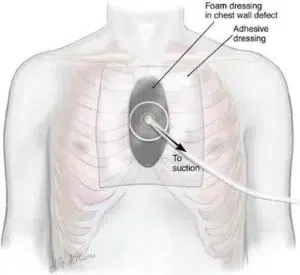
Modern wound management has developed beyond conventional dressing approaches. For appropriately selected wounds, healthcare professionals may consider advanced wound-care technologies as part of a comprehensive treatment strategy.
One example is Negative Pressure Wound Therapy (NPWT). NPWT uses controlled negative pressure through a specialized wound system and dressing. Depending on the clinical situation, it may be considered for selected wounds under professional supervision.
Technology can also support wound documentation and follow-up. Digital wound imaging and standardized documentation may help healthcare professionals record wound appearance and monitor changes over time.
However, advanced wound-care technology should always be used based on clinical assessment, the characteristics of the wound and the treating healthcare professional’s judgment.

Why Consistent Wound Documentation Matters
Postoperative wound assessment can involve multiple healthcare professionals. Consistent documentation can help improve communication and provide a record of how a wound changes over time.
Depending on the clinical setting, documentation may include:
- Wound location
- Wound appearance
- Drainage characteristics
- Surrounding skin condition
- Dressing or therapy used
- Relevant measurements
- Photographic documentation when clinically appropriate
- Changes observed during follow-up
Digital documentation can provide an additional layer of organization and may support more consistent communication between healthcare teams.
When Should a Patient Contact the Healthcare Team?
Patients should not wait for a scheduled appointment if they are concerned about a significant change in their surgical wound or overall condition.
Worsening pain, increasing redness or swelling, new drainage, wound separation or fever should prompt communication with the healthcare team.
More serious symptoms, such as significant breathing difficulty, severe chest pain, fainting or sudden deterioration, require urgent medical attention.
The American Heart Association also recommends monitoring certain aspects of recovery at home, including temperature and weight, and contacting a healthcare professional when specified changes occur.
A Simple Recovery Checklist
A structured approach can help patients and caregivers stay organized during recovery:
- Follow the surgeon’s wound-care instructions.
- Inspect the incision regularly for unexpected changes.
- Keep follow-up appointments.
- Take prescribed medicines as directed.
- Follow recommended activity and lifting restrictions.
- Perform breathing and mobility exercises as instructed.
- Maintain appropriate nutrition and hydration.
- Ask the healthcare team about cardiac rehabilitation.
- Report concerning wound changes promptly.
- Use advanced wound-care technologies only under appropriate clinical guidance.
Conclusion
Recovery after heart surgery is a gradual process that extends well beyond hospital discharge. Appropriate wound care, regular monitoring, gradual physical activity, nutrition, medication adherence, and follow-up all contribute to a structured recovery journey.
For healthcare professionals, advances in wound-care technology can provide additional options for managing selected postoperative wounds. Technologies such as negative pressure wound therapy and digital wound documentation may complement clinical assessment when appropriately indicated.
For patients and caregivers, the key message is simple: protect the surgical site, monitor changes, follow professional advice, and communicate early when something does not seem right.
A coordinated, patient-centered approach can help support safer recovery and better continuity of care following heart surgery.
Medical Disclaimer
This article is intended for general educational purposes only and does not replace professional medical advice, diagnosis or treatment. Wound-care decisions, including the use of advanced wound-care technologies, should be made by qualified healthcare professionals based on the individual patient’s clinical condition and surgical procedure.
Frequently Asked Questions (FAQs)
Q. How should I care for my surgical wound after heart surgery?
Ans. Follow the wound-care instructions provided by your surgeon or healthcare team. Keep the incision clean and protected, follow bathing and dressing instructions, take prescribed medicines, and avoid applying creams, powders, antiseptics, or other products unless specifically recommended by your healthcare professional.
Q. What signs of infection or complications should I look for?
Ans. Watch for increasing redness, swelling, warmth, pain, drainage, pus-like discharge, unusual odor, separation of the wound edges, fever, chills, or a significant change in the appearance of the incision. Contact your healthcare team promptly if these symptoms develop or worsen.
Q. When can I start exercising after heart surgery?
Ans. Recovery should involve a gradual increase in physical activity according to your healthcare team’s instructions. Short walks and appropriate movement may be encouraged, while excessive exertion should generally be avoided during the early healing period. Restrictions on lifting, pushing, pulling, or twisting may also be necessary after open-heart surgery.
Q. What is Negative Pressure Wound Therapy (NPWT), and can it be used after heart surgery?
Ans. NPWT is an advanced wound-care approach that uses controlled negative pressure through a specialized wound system and dressing. It may be considered for selected postoperative wounds, but its use should be based on clinical assessment and under the supervision of an appropriate healthcare professional.
Q. When should I contact my healthcare team after heart surgery?
Ans. You should contact your healthcare team if you notice worsening pain, increasing redness or swelling, new drainage, wound separation, fever, or other significant changes in the surgical wound. Severe chest pain, significant breathing difficulty, fainting, or sudden deterioration requires urgent medical attention.