A dressing that damages the skin during removal defeats one of the most basic purposes of wound care. Yet, poor dressing choices can lead to unnecessary pain, skin stripping, irritation, and delayed healing. Simply covering a wound is not enough; effective wound management requires protection, moisture balance, and atraumatic removal.
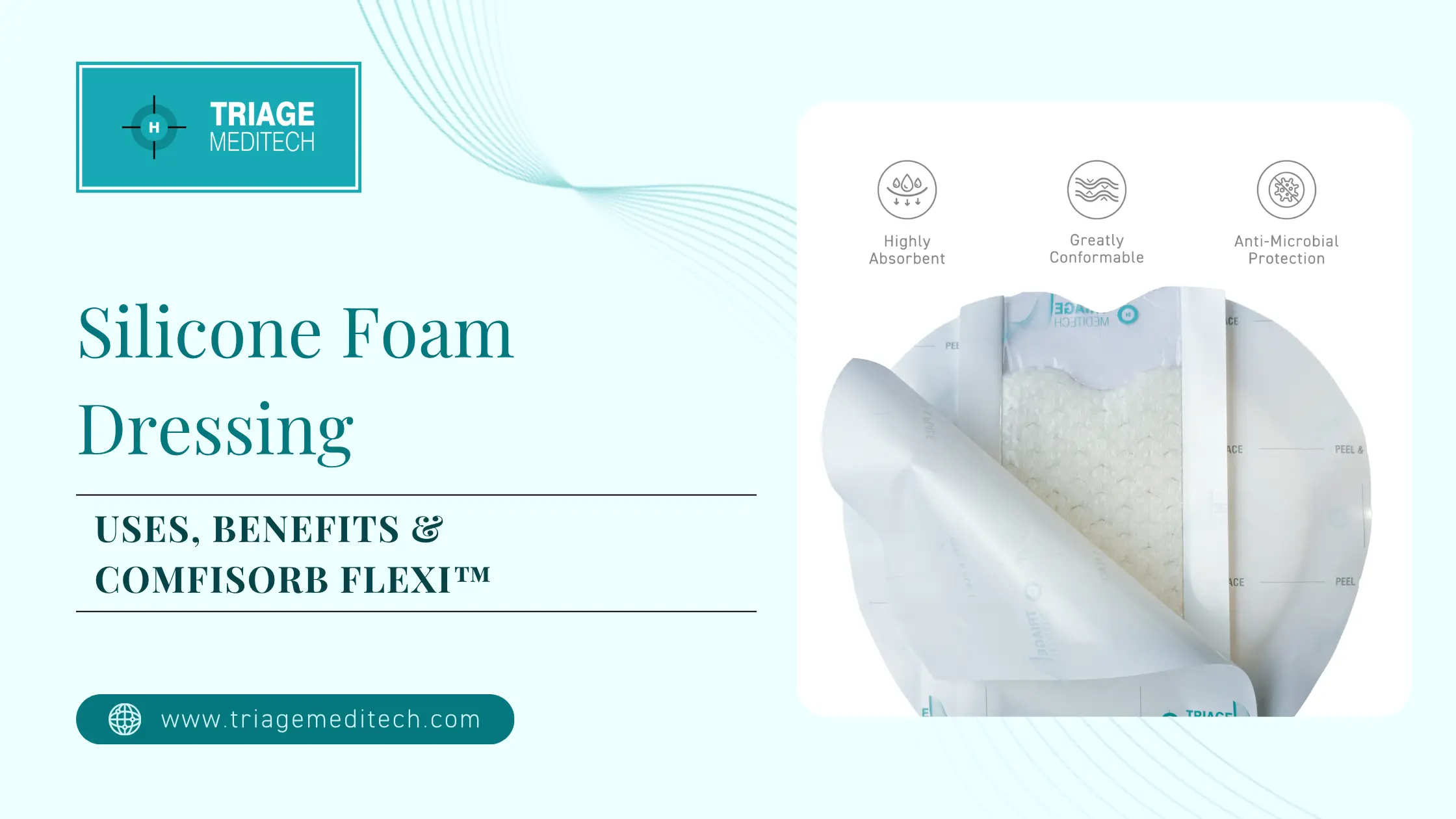
Silicone foam dressings address these challenges by absorbing excess exudate, maintaining an optimal moist wound environment, and minimizing trauma to the surrounding skin during removal. In this post, we explore how silicone foam dressings work, where they offer the greatest clinical value, and how Triage Meditech’s COMFISORB FLEXI™ contributes to this essential category of wound care solutions.
Why Dressing Changes Matter
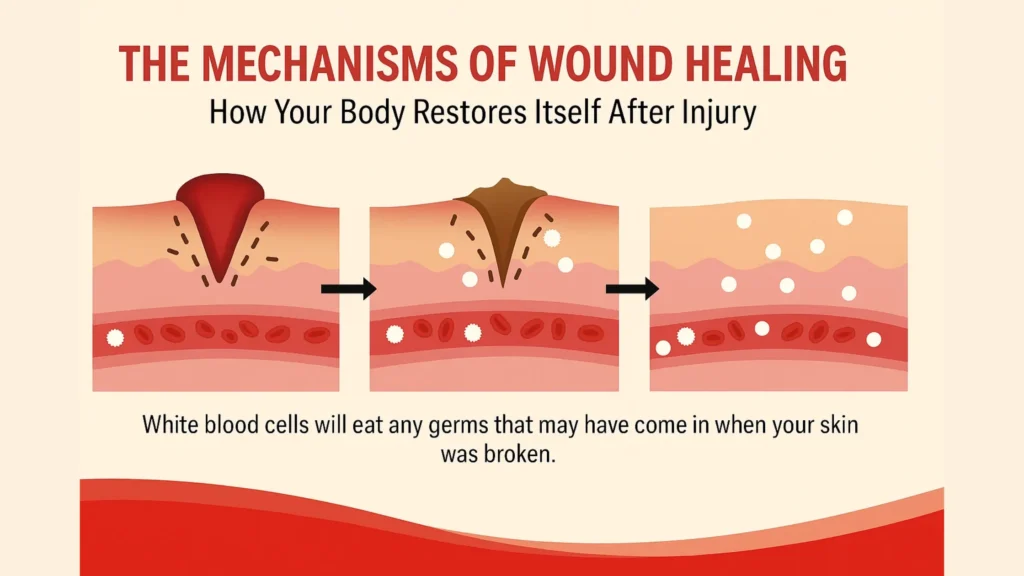
Wound care is mostly repetition. A venous leg ulcer or a pressure injury can need dozens of dressing changes before it closes, and each one is a chance to undo progress. Adhesive that grips too hard strips the fragile skin around the wound. A dressing that dries into the wound bed pulls off new tissue on the way out. Both hurt, and pain at dressing change is something patients remember long after the wound has healed.
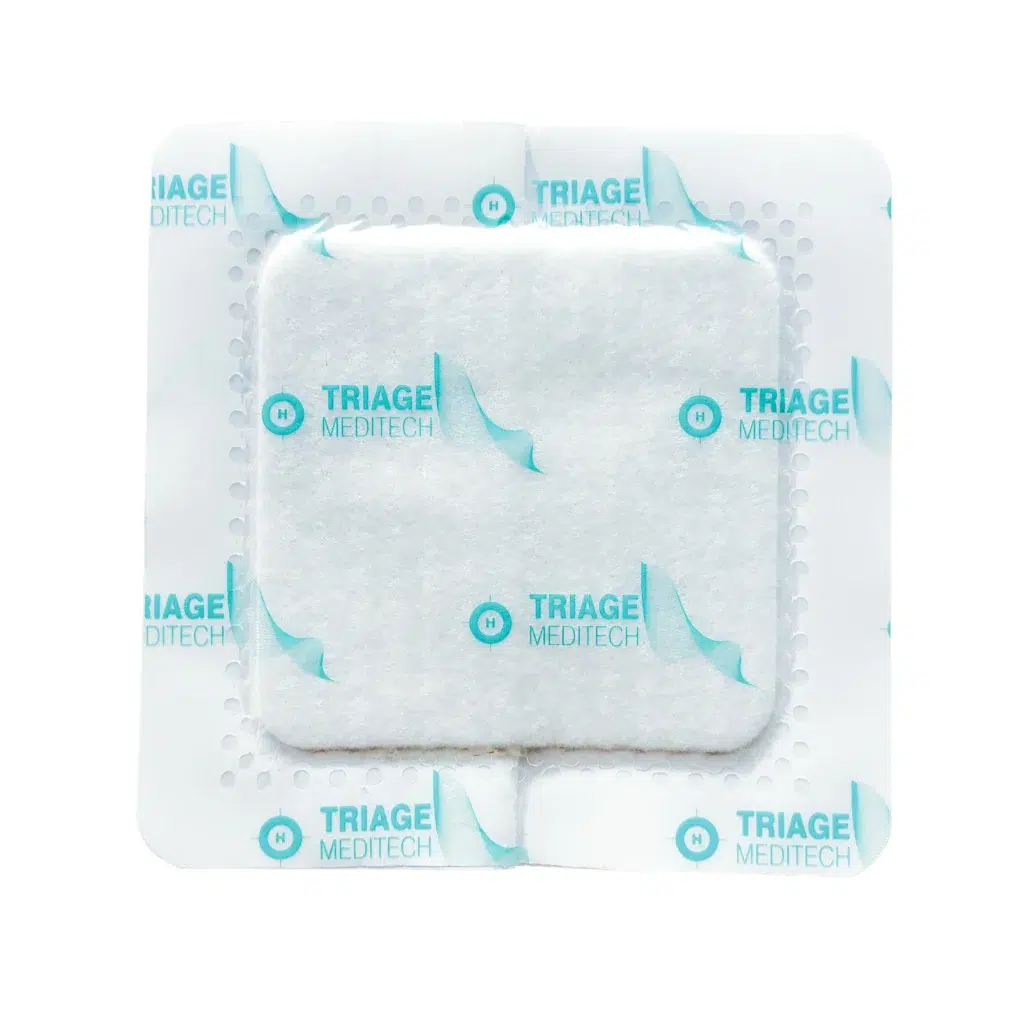
Dressings that avoid this are called atraumatic. Soft silicone is the usual route: it holds gently to dry, intact skin, does not bond to a moist wound surface, and releases cleanly. Clinical reviews report less pain in removal and less maceration with silicone dressings than with conventional ones.
What Makes a Foam Dressing “Silicone”
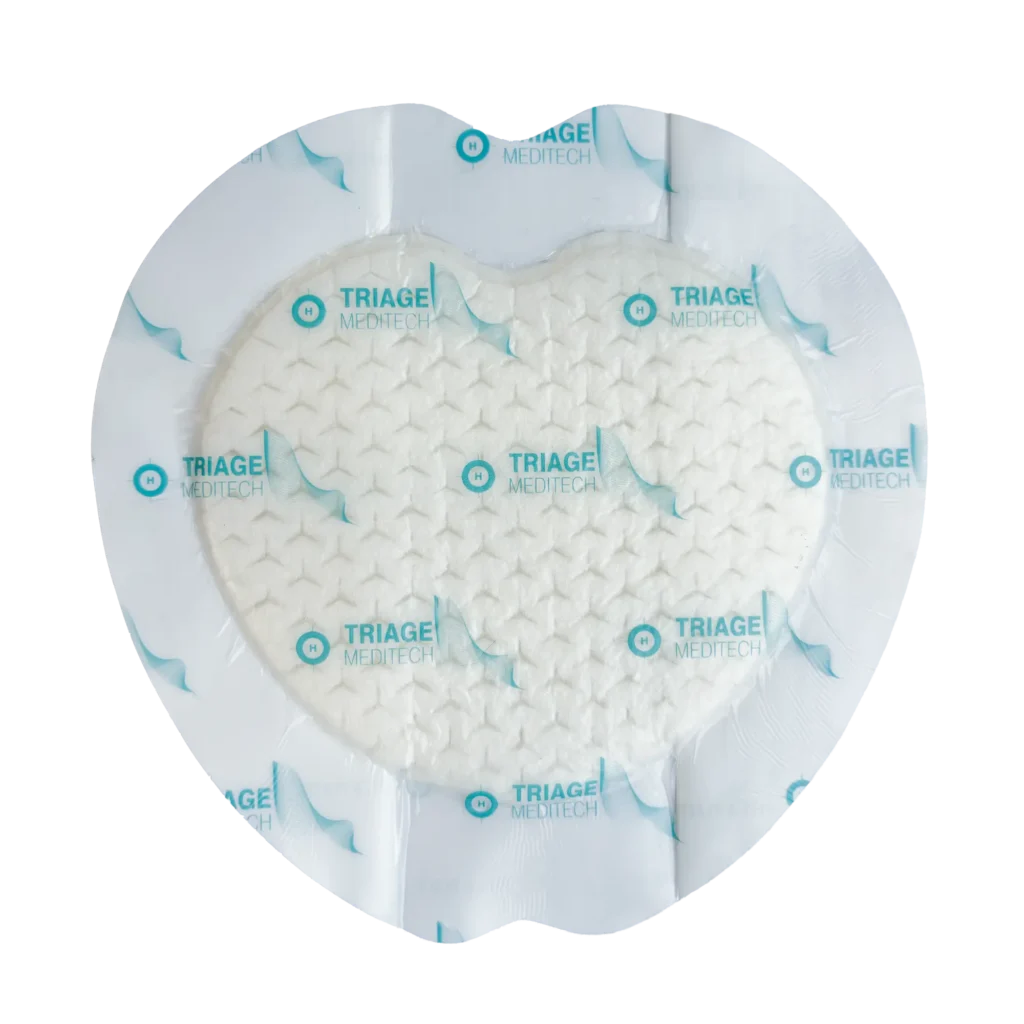
Most are built like a sandwich. A soft silicone layer touches the skin, a polyurethane foam pad does the absorbing, and a breathable film on top keeps water and bacteria out while letting moisture vapour escape. The silicone also seals the wound edge, so exudate moves up into the foam instead of leaking sideways onto the surrounding skin, which is how maceration starts.
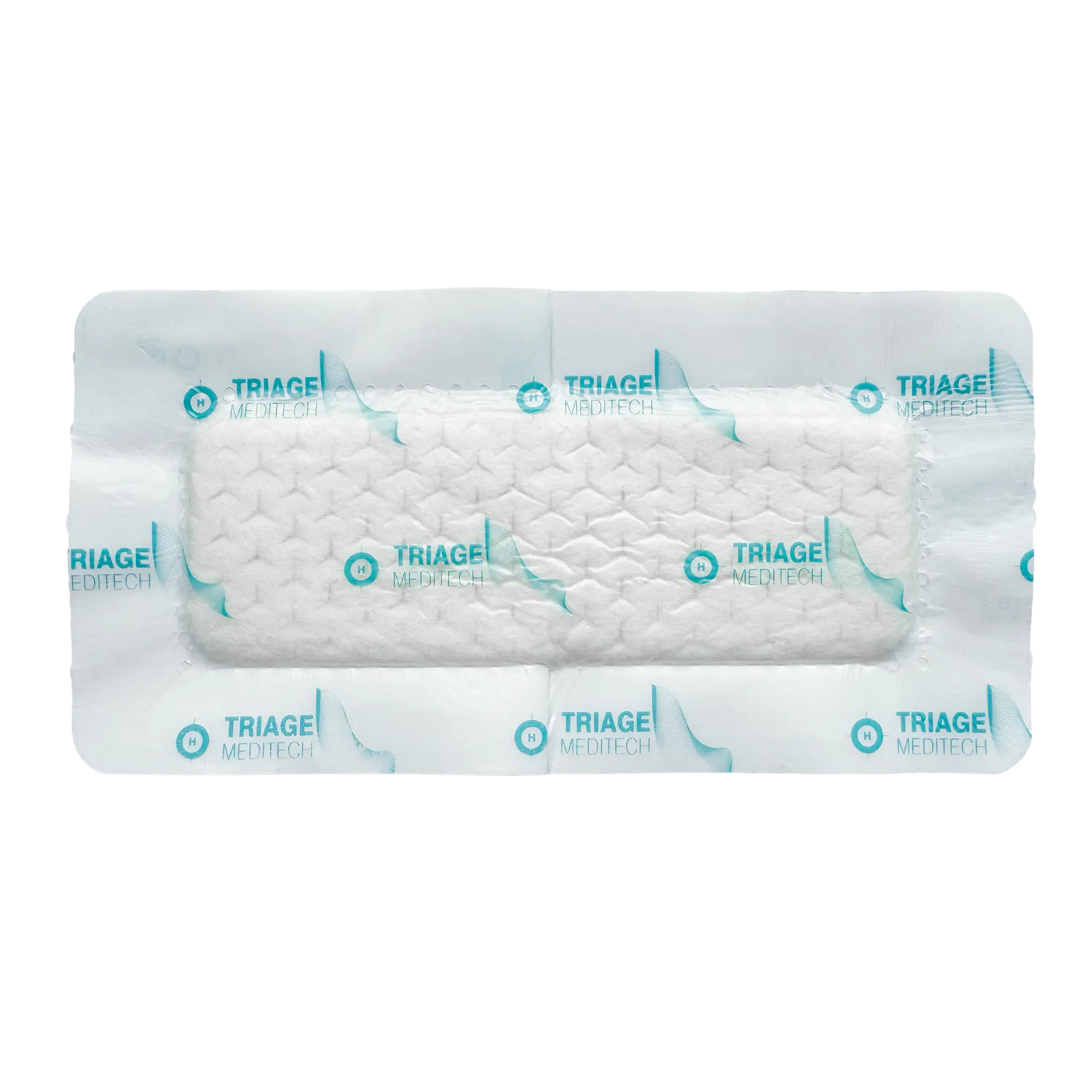
Foam has limits, though. It keeps a wound moist but does not add moisture, so on its own it is the wrong choice for a dry wound or dry, black necrotic tissue. Those need something like a hydrogel alongside it.
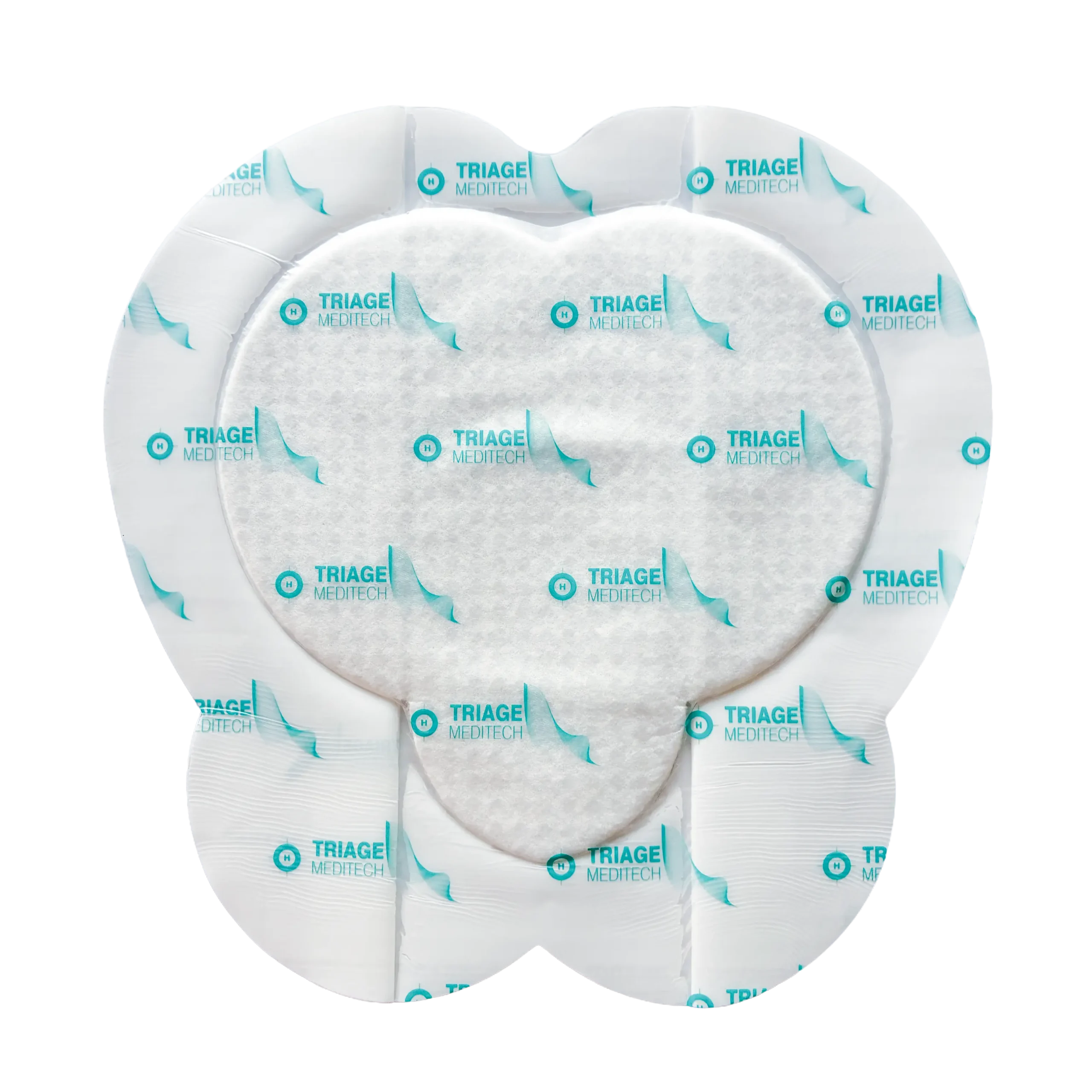
COMFISORB FLEXI™: How it is built
COMFISORB FLEXI™ is Triage Meditech’s silicone foam dressing. It has five layers, and two of Triage’s own technologies shape how it behaves on the body.
| Layer | What it does |
|---|---|
| Ezeepeel contact layer | Soft silicone that sits gently on the wound bed and the skin around it, and seals the perimeter so exudate does not reach the periwound skin |
| Spreading layer | Moves absorbed fluid sideways so more of the pad is working |
| Absorbent foam | Holds large volumes of exudate, including under pressure |
| Retention layer | Locks fluid in so it does not travel back toward the wound |
| Water-resistant backing film | Breathable, high moisture vapour transmission, a barrier to bacteria and water, and transparent so staff can see how far exudate has spread |
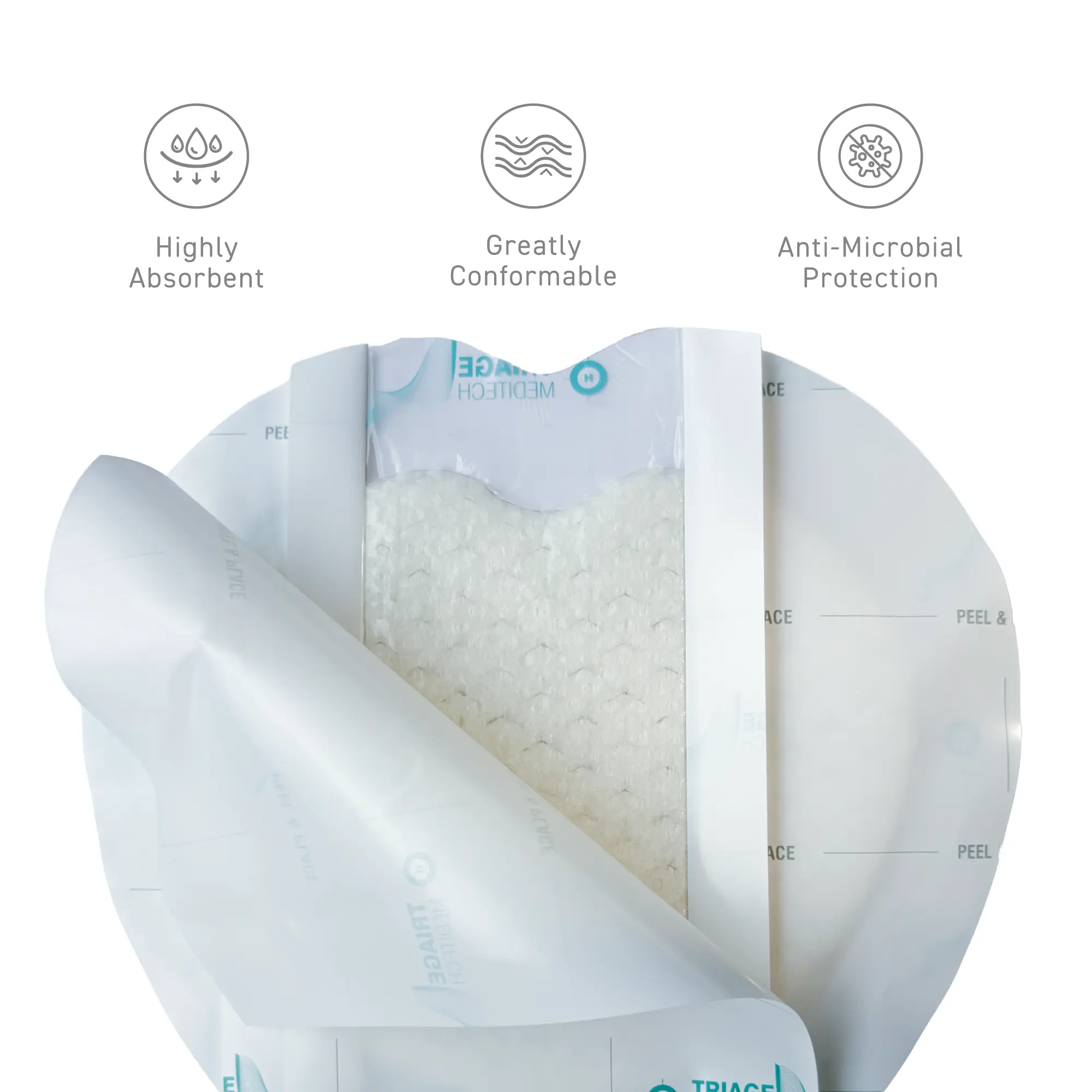
Flexi-Cut is a pattern of small cuts in the inner layers that lets the dressing stretch with the patient. Triage describes up to 180° of flexibility, which matters over knees, elbows, heels, and other joints, where a stiff dressing lifts at the edges and gets replaced early.
Ezeepeel is the soft silicone contact technology. It is designed to keep adherence to the wound low, so changes cause less pain and less trauma, while still holding firmly enough to the surrounding skin to seal the wound.
Common Uses
COMFISORB FLEXI™ is intended for exuding wounds. The table sets out where it is typically used and the reason silicone foam fits each situation.
| Wound category | Typical wounds | Why silicone foam suits it |
|---|---|---|
| Acute wounds | Post-surgical incisions, traumatic skin injuries, burns | Absorbs exudate while the soft silicone contact layer avoids trauma on fragile skin at each change |
| Chronic wounds | Pressure ulcers, venous and arterial leg ulcers, diabetic foot ulcers | Copes with ongoing exudate over many dressing changes, and the sealed edge protects the surrounding skin from maceration |
| Dry or necrotic wounds | Used only alongside a hydrogel | Foam keeps a wound moist but does not add moisture, so it is one part of a wider regimen, not a stand-alone choice |
| At-risk skin (prevention) | Areas under pressure, such as the sacrum | Supported for silicone foam as a class by the 2019 EPUAP/NPIAP/PPPIA guidelines. It is not a listed indication for COMFISORB FLEXI™ specifically |
Key Features & Structure
From the wound-facing side outward, the dressing is built as: Ezeepeel contact layer, spreading layer, absorbent foam, retention layer, water-resistant backing film. Together with Triage’s Flexi-Cut and Ezeepeel technologies, this gives the following key features.
| Feature | What it means in practice |
|---|---|
| Five-layer construction | Contact, spreading, absorbent, retention and backing layers each do one job, so the dressing manages fluid in a controlled way |
| Ezeepeel contact layer | Soft silicone with low adherence to the wound, giving less pain and trauma at changes, while sealing the wound perimeter to keep exudate off the periwound skin |
| Flexi-Cut technology | A pattern of small cuts in the inner layers allows the dressing to stretch with movement (Triage states up to 180° flexibility), which reduces edge lifting over knees, elbows and heels |
| High absorption with retention | The spreading layer uses more of the pad, the foam holds large volumes including under pressure, and the retention layer stops fluid moving back toward the wound |
| Transparent backing film | Staff can judge how far exudate has spread without lifting the dressing, which helps avoid unnecessary changes |
| Waterproof yet breathable | Acts as a barrier to bacteria and water, with high moisture vapour transmission. Triage notes the patient can shower |
| Fewer changes, less waste | Longer wear is presented by Triage as a way to lower dressing changes, waste and the overall cost of care |
Note: Features are as described by the manufacturer. The product page does not state a fixed wear time or a list of contraindications, so always follow the instructions for use supplied in the pack and local clinical protocols.
Where It is Used
Triage lists COMFISORB FLEXI™ for exuding wounds of two broad kinds:
- Acute wounds: post-surgical incisions, traumatic skin injuries and burns
- Chronic wounds: pressure ulcers, venous and arterial leg ulcers, and diabetic foot ulcers
The layered pad is meant to cope with both thin and thick exudate. For dry or necrotic wounds, Triage positions it as one part of a wider regimen used together with a hydrogel, not as a stand-alone answer.
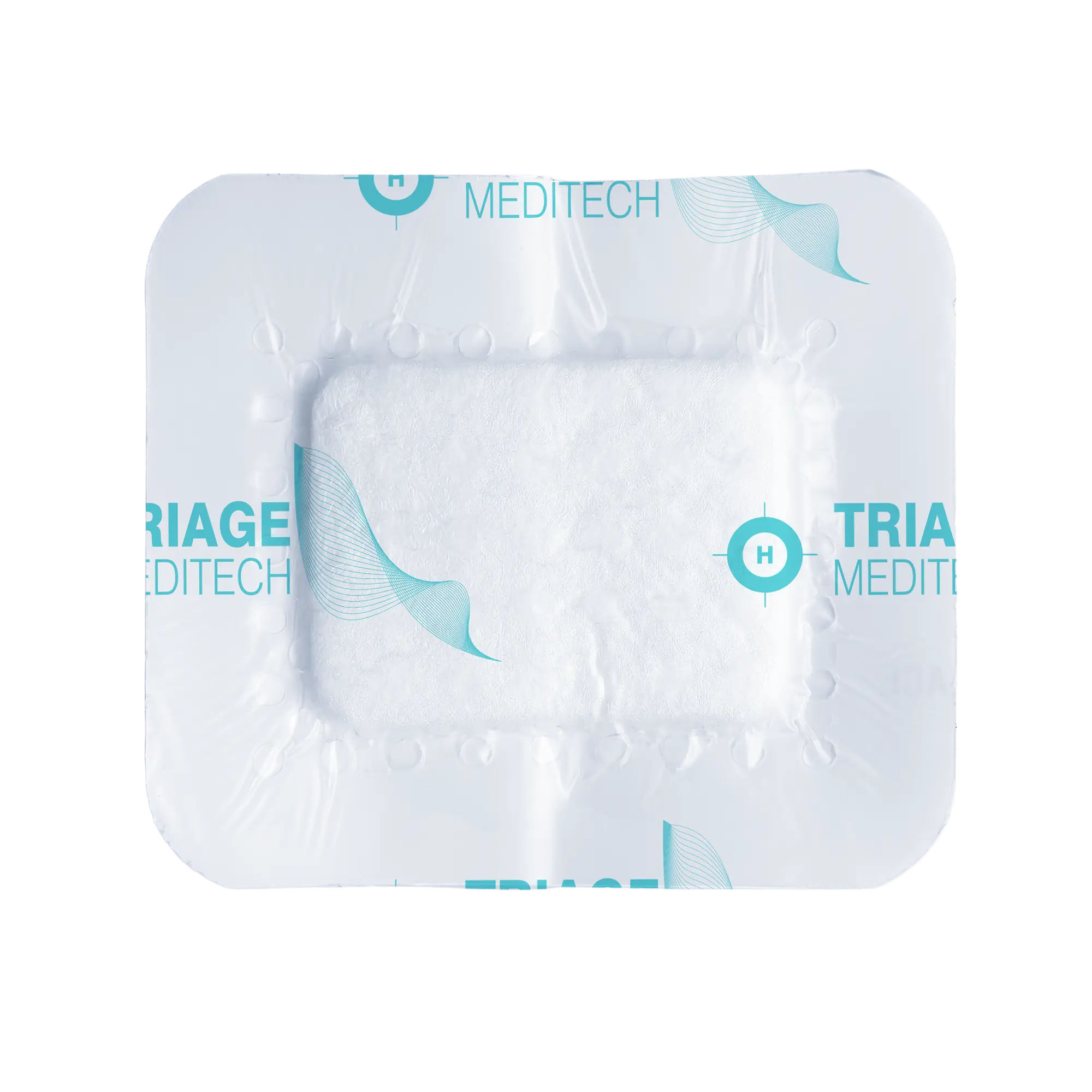
The clear backing film has a practical payoff. A nurse can judge how much exudate the dressing is holding without lifting it, which helps avoid changes that are not needed. Fewer changes mean less disruption to the wound and less waste, and Triage presents longer wear as a way to bring down the overall cost of care.
What the Evidence Says
Pressure injury prevention is where the case for silicone foam is strongest. The 2019 international guidelines from EPUAP, NPIAP and the Pan Pacific Pressure Injury Alliance recommend a soft silicone multi-layered foam dressing to protect the skin of people at risk. A systematic review and meta-analysis in the Journal of Wound, Ostomy and Continence Nursing, covering acute care, found that silicone dressings probably reduce pressure injury incidence compared with no dressing (relative risk 0.40), with a similar effect on the sacrum (relative risk 0.44). The certainty of that evidence is moderate.
Two caveats are worth stating plainly. These studies look at silicone foam dressings as a class, not COMFISORB FLEXI™ specifically. And a dressing supports prevention rather than replacing it: repositioning and pressure-redistributing surfaces remain the foundation.
When the Wound Needs Silver: COMFISORB FLEXI Ag
Some wounds need more than absorption. COMFISORB FLEXI Ag puts sustained-release ionic silver into the same layered platform, for critically colonised and locally infected wounds. According to Triage, the silver is released as exudate reaches the dressing, with activity against Gram-positive organisms including MRSA, Gram-negative organisms including Pseudomonas aeruginosa, and fungi such as Candida. The dressing is designed to keep working for up to 7 days, and Triage says it also reduces bioburden, biofilm, and wound odour.
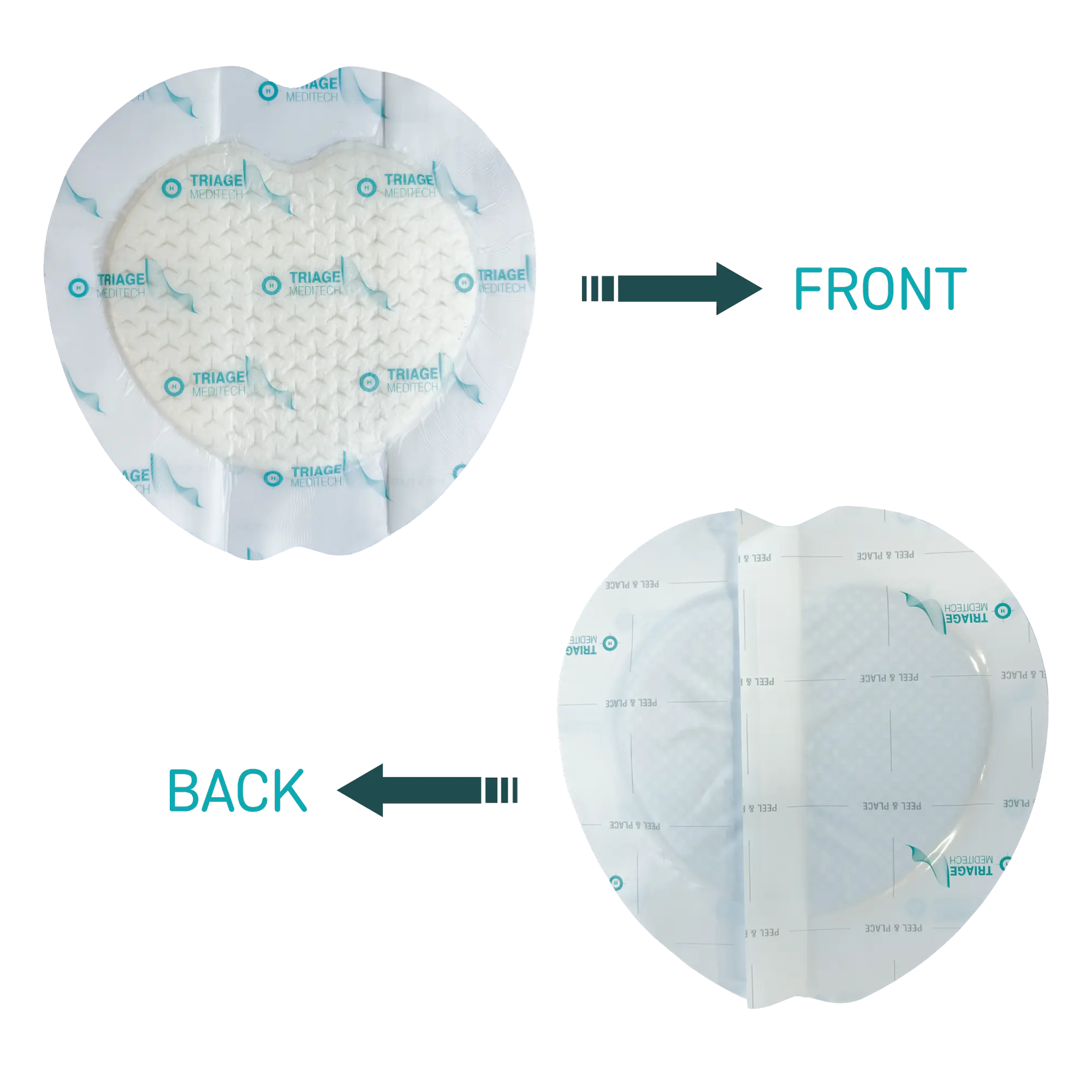
The directions for use set some clear limits:
- Change every 3 to 7 days, or sooner if clinically indicated
- Do not use it for more than 2 consecutive weeks without clinical review
- It is not a substitute for systemic antibiotics where those are indicated
- Avoid patients with a known sensitivity to silver, and stop if irritation develops
- Silver can interfere with X-ray imaging
Using It Properly
Silicone foam is forgiving, but a few habits decide whether it performs as designed. This is generally good practice for bordered silicone foam; the instructions in the pack always take priority.
- Dry the skin. Clean the wound, then dry the surrounding skin. Silicone does not stick well to wet skin.
- Size generously. Choose a dressing that overlaps healthy skin by at least 2 cm all round.
- Do not stretch it. Lay it down and smooth the border so it seals without tension.
- Change by the wound, not the calendar. Change when exudate approaches the edge of the pad, when it leaks, or when the wound looks different. Reassess if the dressing is changed daily or the exudate level shifts.
- Know when to step back. If a wound has not improved after a few weeks, or shows signs of infection, the plan needs rethinking. Better dressing alone will not fix it.
About Triage Meditech
Triage Meditech Pvt. Ltd. is a New Delhi wound care manufacturer, best known for negative pressure wound therapy. The COMFISORB range sits beside its NPWT systems (CYCLOTHERA™ and VACUPORT™) and its incision care dressing INCICARE™. Its products serve hospitals across India, including institutions such as AIIMS, PGIMER Chandigarh, Apollo, Fortis and Medanta, and the company also supplies South Asia, Southeast Asia and the Middle East.
For sizes, availability, or clinical enquiries, contact the team at info@triagemeditech.com or +91 93500 42848, Monday to Saturday, 9 am to 6 pm.
Frequently Asked Questions (FAQs)
Q. What is a silicone foam dressing, and how does it work?
Ans: A silicone foam dressing absorbs excess wound exudate, maintains a moist wound environment, and helps protect the surrounding skin. Its soft silicone contact layer supports atraumatic removal, reducing pain and skin trauma during dressing changes.
Q. Which types of wounds is COMFISORB FLEXI™ suitable for?
Ans: COMFISORB FLEXI™ is intended for exuding acute and chronic wounds, including post-surgical incisions, traumatic skin injuries, burns, pressure ulcers, venous and arterial leg ulcers, and diabetic foot ulcers.
Q. What are the key features of COMFISORB FLEXI™?
Ans: COMFISORB FLEXI™ features a five-layer construction, Ezeepeel silicone contact technology, Flexi-Cut technology for flexibility, high fluid absorption and retention, and a transparent, water-resistant, breathable backing film.
Q. How does Ezeepeel and Flexi-Cut technology benefit wound care?
Ans: Ezeepeel technology helps minimize adherence to the wound bed, reducing pain and trauma during dressing changes while sealing the wound perimeter. Flexi-Cut technology allows the dressing to flex with body movement, helping it conform to areas such as knees, elbows, and heels.
Q. Can COMFISORB FLEXI™ be used on dry or necrotic wounds?
Ans: COMFISORB FLEXI™ is not intended to be used alone on dry or necrotic wounds because foam dressings maintain moisture but do not add it. The document recommends using the dressing alongside a hydrogel as part of a wider wound management regimen.
Sources
- COMFISORB FLEXI™ product page, Triage Meditech
- COMFISORB FLEXI Ag product page, Triage Meditech
- About Us, Triage Meditech
- Triage Meditech home page
- ECRI evidence summary on prophylactic dressings for pressure injury
- Prophylactic silicone dressings and pressure injury incidence: systematic review and meta-analysis, JWOCN
- When should I use a silicone foam dressing? Coloplast
- Evidence for atraumatic soft silicone wound dressing use, Wounds UK